As artificial intelligence (AI) catches on, more and more people are consulting it before a visit to their family doctor or specialist. But does AI help or hinder clinical care? A specialist from Rambam Health Care Campus (Rambam) provides much needed insight for a balanced use of AI in medicine.
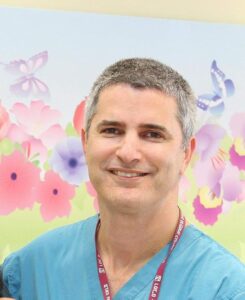
Dr. Shahar Shelly, Director of the Department of Neurology at Rambam and head of the AI Neurology Laboratory at the Technion’s Ruth and Bruce Rappaport Faculty of Medicine, is leading research examining how AI-driven tools are influencing medical standards in diagnostics and personalised patient treatment strategies.
AI models can rapidly analyse vast amounts of medical literature and identify potential diagnoses and recommended tests. While this capability represents a major advancement, Dr. Shelly cautions that AI systems lack the clinical context and judgment that physicians apply in everyday practice. The AI model mirrors a system that values testing everything to avoid mistakes, instead of trusting clinical expertise to decide what’s truly needed.
“AI is exceptionally powerful at identifying possibilities”
“AI is exceptionally powerful at identifying possibilities,” says Dr. Shelly. “But medicine is not simply about listing every theoretical diagnosis. It requires understanding the patient’s medical history, assessing probability, and applying careful clinical judgment to determine when testing is necessary and when it is not.”
Physicians at Rambam note that more patients are coming to appointments after consulting AI systems, sometimes requesting extensive diagnostic testing based on recommendations provided across several platforms. While AI can empower patients with information and support clinical care, the recommendations may also contribute to unnecessary testing, increased healthcare costs, and heightened patient anxiety.
“In neurology, diagnostic tools such as MRI scans and specialised evaluations are valuable tools, but they are not neutral,” Dr. Shelly explains. “They can reveal incidental findings that lead to further testing and interventions that may not ultimately benefit the patient. Careful clinical judgement is required to ensure that medical care remains both effective and appropriate.”
Research conducted at the Technion Faculty of Medicine, has shown that AI systems tend to favor defensive recommendations, prioritising comprehensive testing to minimise risk. While this approach reflects caution, it underscores the continued importance of physician oversight.
AI represents a transformative opportunity to improve patient care
Despite these challenges, Dr. Shelly emphasises that AI represents a transformative opportunity to improve patient care.
“AI has enormous potential to improve diagnosis, enhance clinical efficiency, and expand access to care,” he says. “Our responsibility as physicians and researchers is to guide its integration thoughtfully, ensuring that these tools strengthen, rather than undermine, the human judgment that lies at the heart of medicine.”
As one of Israel’s leading medical academic centres, Rambam continues to advance research at the intersection of AI and clinical medicine, helping to shape the future of healthcare by ensuring that innovation translates into safer, more effective, and more patient centred care.
Based on a Hebrew language article published by Calcalist.