Fertility specialists, Dr. Ola Gutzeit, recently chose to undergo fertility treatment
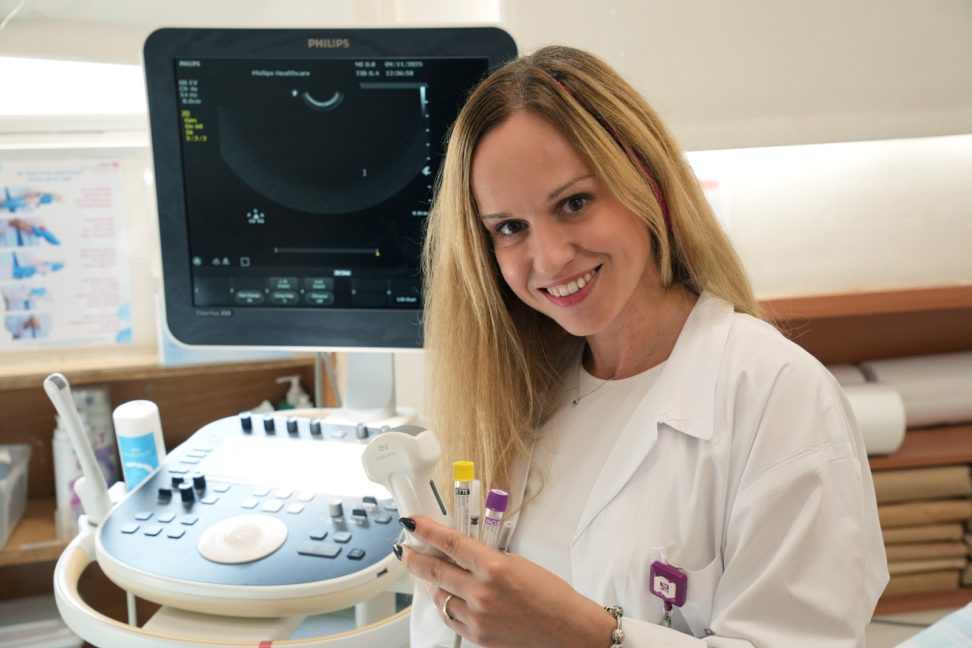
One of Rambam’s reproductive endocrinologists and fertility specialists, Dr. Ola Gutzeit, recently chose to undergo fertility preservation after years of caring for women facing the same decision. Moving from physician to patient gave her a deeply personal understanding of the fears, practical challenges, and emotional complexity faced by many women during this process.
As the head of the Fertility Preservation Clinic and an attending physician in the Division of Gynaecology and Obstetrics at Rambam Health Care Campus (Rambam), Dr. Ola Gutzeit has spent her career guiding women through in vitro fertilisation (IVF) protocols, fertility injections, and follicle counts. She understands every step of the fertility treatment process from a clinical perspective, yet she found herself asking whether she truly understood what the experience feels like.
Only when you go through it yourself do you really understand
Only when she chose to undergo a fertility preservation procedure herself, more commonly known as “egg freezing,” did she understand what the process demands from a patient’s perspective. From deciding on a treating physician, coordinating injections around full clinical days, and traveling with refrigerated medications to managing the constant mix of hope and anxiety showed her that IVF and egg freezing are far more complex than any protocol or medical textbook suggests. “Only when you go through it yourself do you really understand,” Dr. Gutzeit explains. “This experience didn’t make me a different doctor, but it made me a more humane doctor,” she continues.
Her experience also highlights the range of reasons women pursue fertility preservation. Some face urgent medical need. Others choose elective preservation to maintain the possibility of building a family later, when personal, professional, or medical circumstances allow. Regardless the underlying reason, for many women, egg freezing is a proactive step to protect future fertility.
“The drugs wait for no one,”
When Dr. Gutzeit’s own treatment cycle fell during an international medical conference, she was forced to balance a demanding travel schedule with time-sensitive injections. She confronted the same logistical puzzle her patients face: medications that must be taken on time, regardless of meetings, work obligations, or family responsibilities. “The drugs wait for no one,” she explains. While Dr. Gutzeit prepared for her trip, she packed suits and presentations, alongside syringes and ice packs so that she could continue her treatment protocol as scheduled. Although is a physician, she admits the first time that she injected herself felt completely unnatural, but by the second time, it became almost routine.
To keep up with her demanding schedule—and knowing the experience might also give her a deeper appreciation of what some patients feel—Dr. Gutzeit chose to undergo egg retrieval without anaesthesia. The procedure gave her insights no textbook could provide, revealing points of discomfort often overlooked in clinical descriptions. While she does not routinely recommend this choice to every patient, it allowed her to avoid recovery time and continue with her routine and obligations.
Approximately 11% of women will use the eggs they freeze
Dr. Gutzeit’s journey underscores the essential role of Rambam’s Fertility Preservation Clinic, which offers women advanced treatment along with real emotional and practical support during some of the most personal decisions they will ever make. Fertility preservation is, in many ways, an insurance policy for the future. Approximately 11% of women will use the eggs they freeze, but for those who do, it can determine whether a long-held dream remains possible. For many, taking the first step can feel daunting, making clear information and supportive counselling important throughout the process.
Under Dr. Gutzeit’s leadership, the clinic provides clear guidance, compassionate care, and state-of-the-art technology that give women meaningful control over their reproductive futures. Her experience highlights the importance of ensuring that fertility preservation services remain well-resourced, accessible, and responsive to patients’ needs so that every woman, regardless of background or circumstance, can make informed decisions at the right time.
Dr. Gutzeit’s story reinforces a central truth: fertility preservation is not simply a clinical service. It is a profound investment in women’s lives, autonomy, and future families.
This story is based on a Hebrew language article published by Ynet.