Bringing attention to this relatively unknown condition in Israel
Evidence already exists that stress negatively impacts facial paralysis. Experts at Rambam Health Care Campus (Rambam) in Haifa, Israel have identified worsening facial paralysis symptoms among patients due to the psychological stress associated with the ongoing Swords of Iron War.
About six years ago, Michal Ansky, a judge on MasterChef Israel and well-known entrepreneur, publicly revealed her struggle with facial paralysis affecting one side of her face (also known as Bell’s palsy), which brought attention to this relatively unknown condition in Israel. Bell’s palsy is the most common type of facial paralysis, and it occurs when the nerve controlling the facial muscles is damaged, sometimes leading to a complete loss of function. The damage is usually due to inflammation, from which most patients recover. However, some individuals develop synkinesis, a chronic condition affecting the facial muscles that leads to difficulty eating and drinking and facial pain.
Symptoms are easily mistaken for early signs of a stroke
In addition to the physiological mechanism behind facial paralysis, the psychological aspect can have a significant impact on the condition. In the past year, the stress of living with increased regional tensions and the ongoing Swords of Iron War has led to more severe symptoms in synkinesis patients. Dr. Yotam Shkedy, an otolaryngologist and director of Rambam’s facial paralysis clinic, explains that while these symptoms are easily mistaken for early signs of a stroke, the problem is completely different. He points out, “emotional and psychological aspects also play an important role in the recovery of fascial paralysis and synkinesis patients.”
Working together to explore various treatment options and overcome recovery challenge
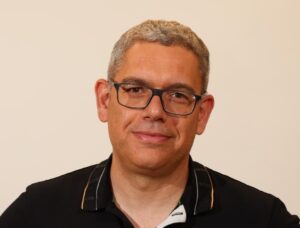
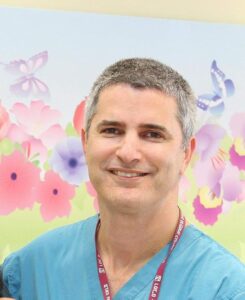
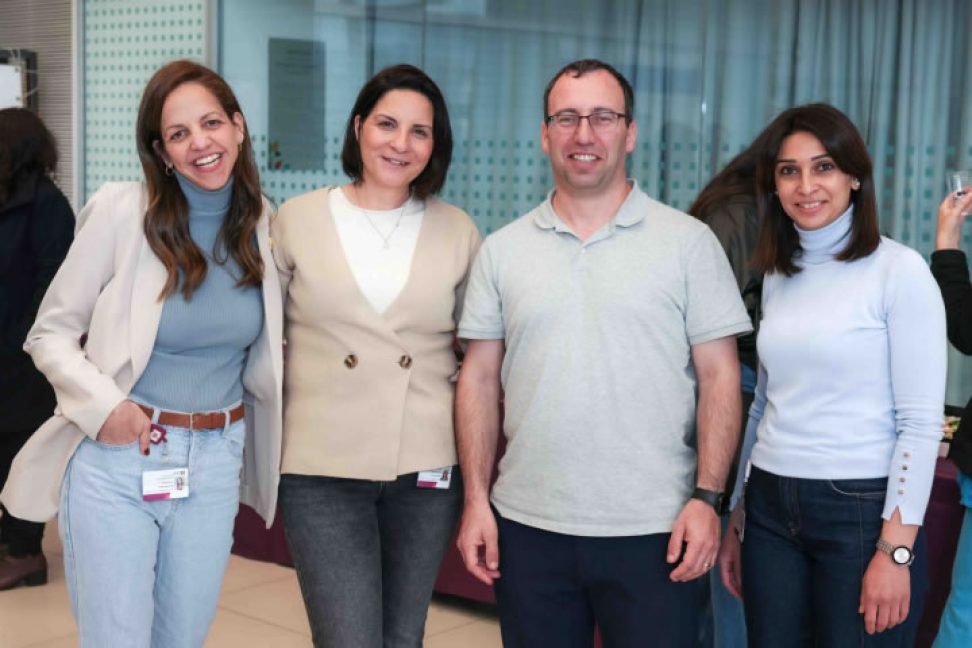
The multidisciplinary team at Rambam, led by Dr. Shkedy and including Dr. Adi Lavi Rotenberg, a psychologist, Eman Yaseen, deputy director of the Department of Physical Therapy, and Yossi Fisher, a movement therapist, work together to explore various treatment options, overcome recovery challenges, and provide holistic care. Together, they address each patient’s physical and emotional well-being, aimed at helping each one better manage their condition.
“We have observed a marked deterioration in symptoms among patients with synkinesis since the escalation of the conflict. The stress and trauma of living in such an environment have compounded their physical symptoms, making it more critical than ever to provide both medical and psychological treatment,” says Dr. Shkedy.
Rambam’s unique multidisciplinary approach to fascial paralysis and synkinesis underscores the importance of addressing both the psychological and physiological aspects of patient care, especially during times of crisis.
Based on an article in Hebrew from https://newshaifakrayot.net/?p=349075